
The psychological rollercoaster of gambling understanding the mind’s gamble
The Thrill of Anticipation
The psychological landscape of gambling is marked by a unique thrill rooted in anticipation. When individuals engage in gambling activities, whether it’s poker, slots, or sports betting, they experience a rush of excitement as they await the outcome. This anticipation is not merely about the potential for financial gain; it taps into deeper psychological mechanisms, including dopamine release in the brain. The very act of waiting for a result can evoke emotions ranging from hope to anxiety, creating a complex emotional tapestry. Many players are drawn to best online casinos australia, enhancing their experience while navigating this emotional landscape.
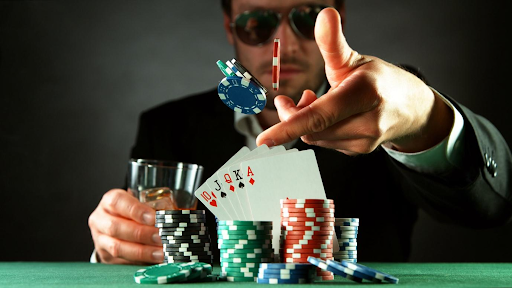
This thrill can lead to a heightened state of arousal, where the brain perceives gambling as both a challenge and an opportunity for reward. As players place their bets, they often fantasize about the potential winnings, which can amplify the excitement. This anticipation can be addictive, as the brain learns to associate the gambling experience with pleasure and reward, further entwining the player in the cycle of gambling.
The Role of Cognitive Bias
Cognitive biases play a significant role in the way individuals perceive and engage with gambling. Common biases, such as the illusion of control or the gambler’s fallacy, skew players’ understanding of probability and risk. For instance, some players may believe that they can influence the outcome of a game through their actions or strategies, leading them to take greater risks than they normally would. This misguided confidence can result in repeated losses, yet the desire to win often outweighs the rational assessment of probabilities. This complex relationship with gambling can create significant stress over time.
Moreover, these biases can lead players to remember their wins more vividly than their losses, further solidifying their belief in their abilities. Such cognitive distortions reinforce the psychological rollercoaster, as individuals experience fluctuations in mood and self-worth based on their gambling outcomes. This disconnect from reality can complicate their relationship with gambling, often leading to increased play and deeper emotional investments.
The Emotional Highs and Lows
The emotional landscape of gambling is incredibly volatile. Winning can bring an immense sense of euphoria, akin to a high that can cloud judgment and prompt further risky behavior. Conversely, losing can lead to feelings of despair, guilt, and shame. This emotional cycle is a critical component of the gambling experience, as players often chase losses in hopes of regaining their previous highs. This behavior can create a vicious cycle, where the highs of winning become fleeting and the lows of losing deepen.
As players navigate this emotional rollercoaster, their mental well-being can be significantly affected. Prolonged exposure to this cycle may contribute to anxiety, depression, and other psychological issues. Understanding these emotional highs and lows is vital for both players and support systems to create strategies for healthier gambling practices and to recognize when professional help may be necessary.
The Impact of Social Influences
The social environment surrounding gambling also contributes to the psychological rollercoaster. Friends, family, and social settings can significantly impact an individual’s gambling behavior. Peer pressure and social norms can encourage more frequent gambling or riskier behavior, reinforcing the rollercoaster effect. For example, environments that celebrate wins while downplaying losses can create an atmosphere conducive to continued gambling, regardless of individual risk factors. A strong support network can mitigate the potential downsides.
Additionally, social connections can provide a support system, but they can also become a source of stress, particularly if an individual is struggling with problem gambling. Understanding the dual nature of social influences is crucial for individuals who gamble and for those who care about them, as these dynamics can either exacerbate or mitigate the emotional turmoil associated with gambling.

Final Thoughts on the Gambling Experience
In conclusion, the psychological rollercoaster of gambling is a complex interplay of anticipation, cognitive biases, emotional fluctuations, and social influences. Recognizing these factors is essential for anyone involved in gambling, whether casually or compulsively. By understanding the mind’s gamble, individuals can foster a healthier relationship with gambling and make informed decisions about their participation.
As awareness grows regarding the psychological aspects of gambling, resources and support systems are becoming increasingly available. Individuals seeking guidance can benefit from specialized websites that provide valuable information and tools to navigate the complexities of gambling and promote mental well-being.


Dodaj komentarz